
Perfect Squash Racket
The Ultimate Guide to Choosing a Squash Racket
Friendly advice for beginners and intermediate players
Introduction: Why Your Squash Racket Matters
Starting out in squash is exciting, but with dozens of rackets lining the shop walls, picking the right one can be a bit daunting. The right racket can boost your confidence, help you develop your skills, and make the game loads more enjoyable. This guide is designed for anyone new to squash or looking to move to the next level, breaking down the key factors so you can choose a racket that suits your style and feels just right in your hand.
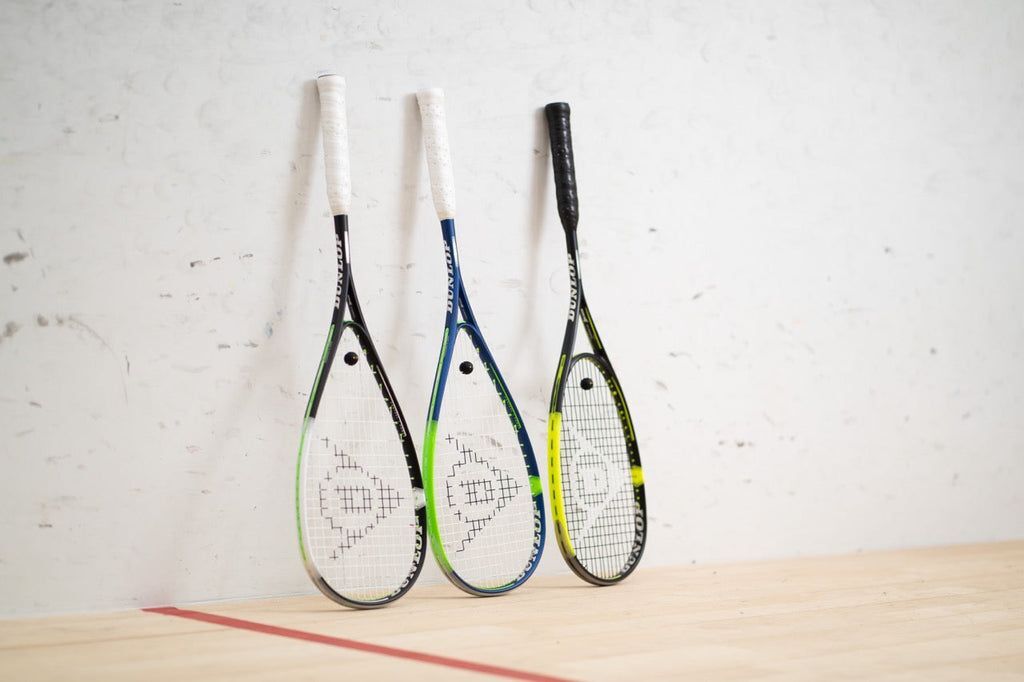
Racket Shape: Traditional, Teardrop, and Hybrid
Squash rackets come in various shapes, each affecting how the racket plays. Here’s what you need to know:
- Traditional: These rackets have a smaller head and a boxier shape. They offer excellent control, making them ideal for players who prefer precision over power.
- Teardrop: With a larger, rounded head, teardrop rackets create a bigger sweet spot and more power. They’re great for players who like to hit hard or want a bit of help generating pace.
- Hybrid: Hybrid shapes blend elements of both, offering a balance between control and power. If you’re unsure about your style, hybrids are a solid starting point.
If you’re still discovering your strengths, don’t stress too much about getting the “perfect” shape. Try a few and see what feels comfortable.
Weight: Heavy, Light, and Everything In Between
Squash rackets typically weigh between 110g and 170g. Here’s how weight can make a difference:
- Heavy (140g+): Heavier rackets offer stability and absorb shock better, making them forgiving for beginners. They can feel a bit sluggish but help build strength early on.
- Medium (120g–140g): These suit most players, striking a balance between power and manoeuvrability. If you’re not sure, starting here is a safe bet.
- Light (<120g): Lighter rackets are quicker to swing and allow for fast reactions, but they require good technique and can be less stable on off-centre hits.
Don’t fall for the myth that lighter is always better. Pick a weight that feels comfortable and easy to control for your current skill level.
Balance: Head Heavy, Even, and Head Light
Balance refers to where the weight sits on the racket. It affects how the racket behaves during a swing:
- Head Heavy: Adds power to your shots but can be harder to manoeuvre. If your style is aggressive and you like smashing the ball, this might suit you.
- Even Balance: Offers a mix of power and control. Most beginners and intermediate players feel at home with these.
- Head Light: Easier to manoeuvre and control, ideal for quick volleys and deceptive shots. If you like to react quickly at the front of the court, head-light rackets are a good choice.
Balance is a matter of personal preference – try rackets with different balances to see what boosts your confidence.
Durability: Built to Last
Durability is key, especially when you’re learning and likely to knock your racket about. Consider:
- Check for reviews mentioning frame strength and longevity.
- Composite materials (like graphite or carbon) offer a good mix of lightness and resilience.
- Entry-level rackets are usually tougher than ultra-light, high-performance models.
If you’re just starting out, don’t worry about having a top-of-the-line racket – look for something solid that can withstand the odd bump.
Strings: What’s on the Racket Matters
The strings on your racket can affect both power and control:
- Stock Strings: Most rackets come with basic strings. They’re fine for learning but might not offer much feel or durability.
- Premium Strings: Upgrading to better strings can improve touch and responsiveness. Many players restring their rackets after a few months.
- Restringing: If you get serious, look for rackets that are easy to restring and explore different string tensions for more control or power.
For your first racket, stock strings are absolutely fine. You can always upgrade later as your game develops.
Grips: Comfort in Your Hand
The grip is your direct connection with the racket. A good grip can prevent blisters and help you keep hold during sweaty matches:
- Stock Grips: Basic grips are serviceable, but often a bit thin or slippery.
- Replacement Grips: Upgrading to a thicker, more absorbent grip is inexpensive and can make a big difference in comfort.
- Overgrips: These can be added for extra cushioning and better moisture absorption.
Don’t hesitate to change the grip if the racket doesn’t feel secure or comfortable in your hand.
Price: What to Expect and What to Spend
Squash rackets are available at a range of price points:
- Entry Level (£20–£50): Durable and forgiving, ideal for beginners or casual players.
- Mid-Range (£50–£120): Better materials and improved performance, great for intermediates looking to step up.
- Premium (£120+): Lightweight, advanced construction, and top-tier strings. These are for players who know exactly what they want.
Don’t feel pressured to spend loads. A well-chosen mid-range racket will serve most players brilliantly. Focus on value for money, not just the brand or price tag.
Practical Advice: Try Before You Buy
One of the best things you can do is to try different rackets before you commit. Many clubs and shops offer demo rackets – take advantage of this! What looks good on paper might not feel right in your hand. Your comfort and confidence are more important than any technical spec. Remember, your preferences may change as your skills develop, so stay open-minded and enjoy the process of discovery.
Conclusion: Enjoy Your Squash Journey
Choosing a squash racket is a personal adventure, and there’s no single “best” racket for everyone. Consider the shape, weight, balance, durability, strings, grips, and price – everyone is different, build up slowly, but most importantly, pick something that feels right for you, it will ensure you enjoy your game.
Try a few rackets, ask for advice, and remember that your confidence and enjoyment on court matter most not the cost of your racket. Happy playing!