
Correct String
Selecting the Correct Tennis Racket String Tension and Gauge
A Practical Guide for Tennis, Badminton & Squash Players and Enthusiasts
Introduction: The Importance of Correct String Tension and Gauge
Choosing the right string tension and gauge for your tennis racket is a crucial factor in maximising your performance and enjoying your time on the court. The right setup can help you strike the perfect balance between power and control, protect against injury, and ensure your racket feels just right for your style of play. This guide will walk you through the essentials of string tension and gauge selection, helping you make informed choices tailored to your needs.

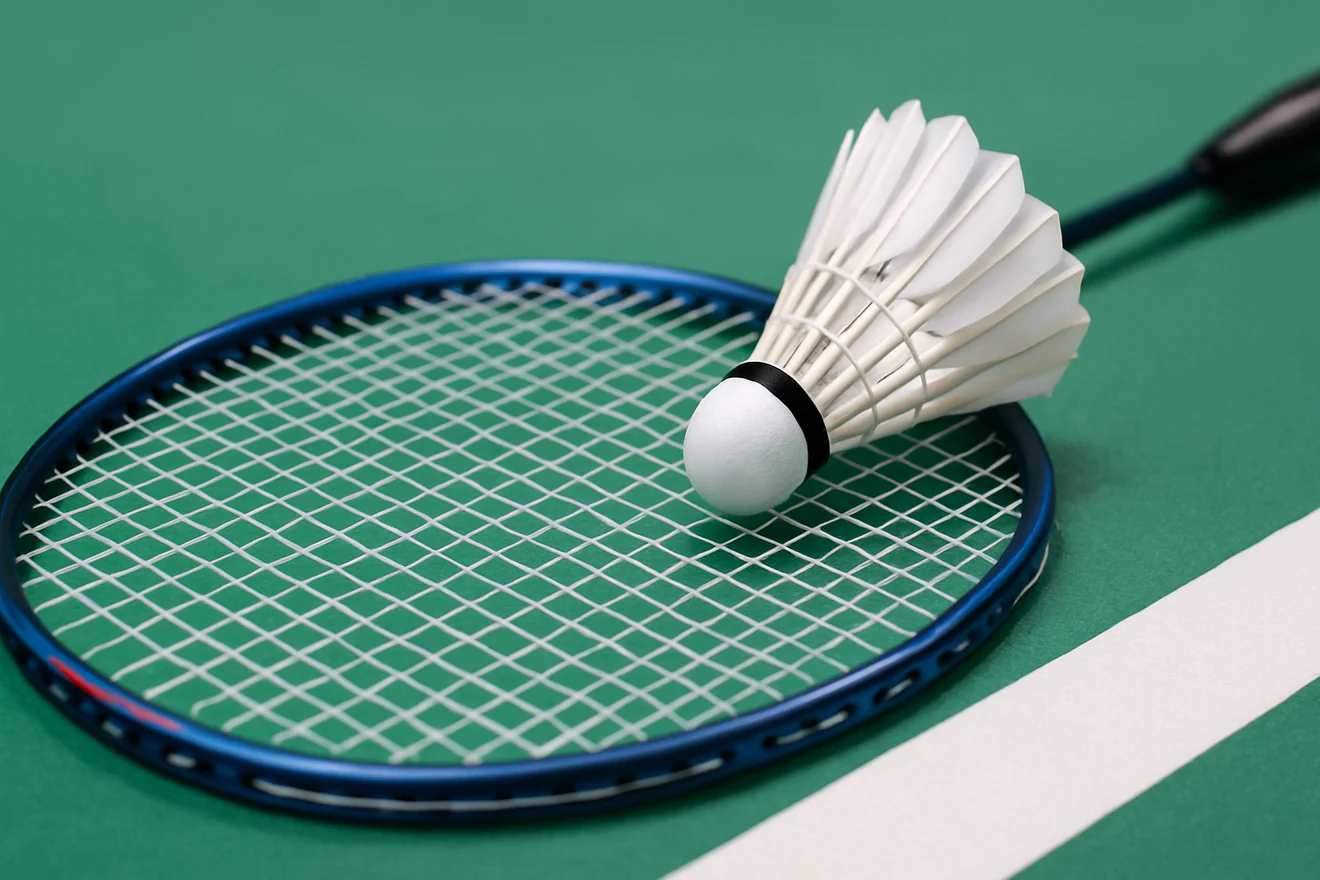
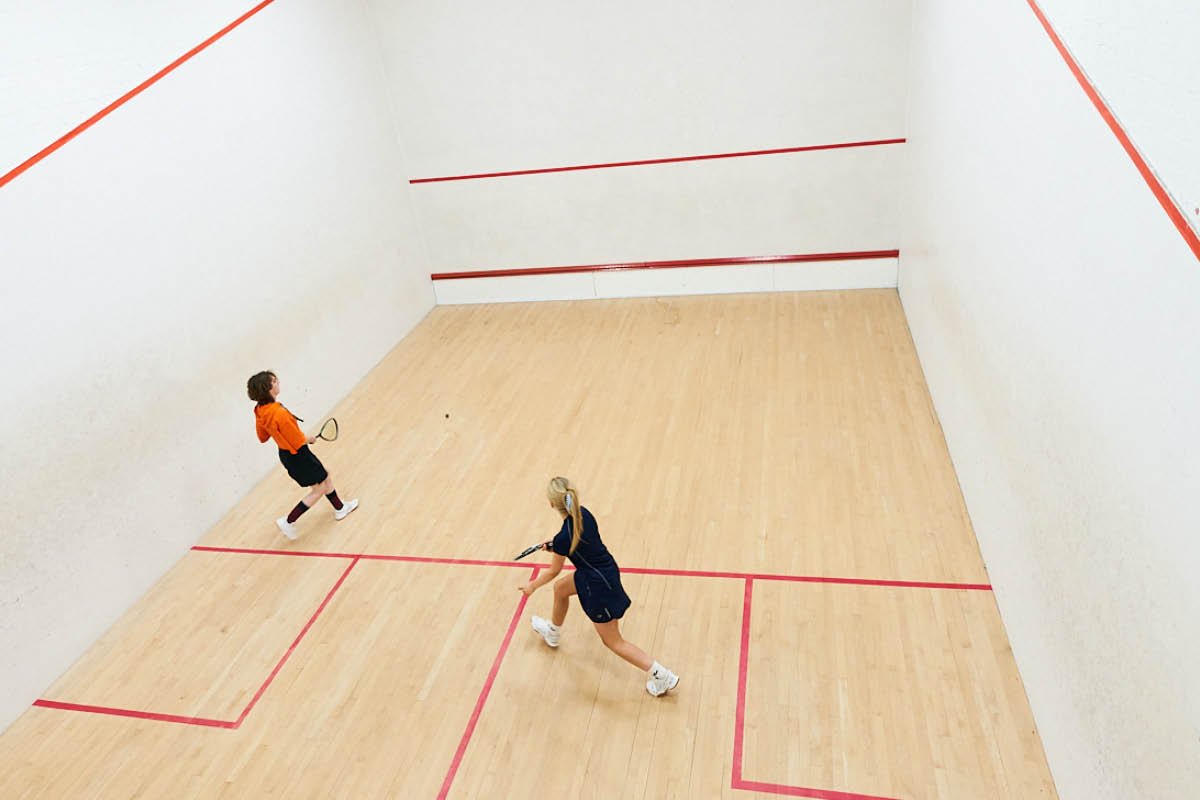
Unsure of the Best String to suit your ability
Check out our Guides.
How String Tension Affects Performance
String tension plays a major role in how your racket performs. The basic principle is simple: lower tension (looser strings) tends to deliver more power, while higher tension (tighter strings) gives you greater control.
- Power vs. Control: Looser strings act like a trampoline, propelling the ball with more force but offering less precision. Tighter strings provide a firmer surface, allowing you to direct shots more accurately but with less inherent power.
- Feel and Response: Lower tensions offer a softer feel and more ‘give’, which can be more comfortable, especially for those sensitive to vibration. Higher tensions provide a crisper, more immediate response.
Choosing Tension Based on Playing Style
Your playing style is a key factor in choosing the right string tension:
- Power Players: If you generate plenty of your own power and want to keep the ball in play with accuracy, a higher tension (towards the top of your racket’s recommended range) may suit you best.
- Control Players: If you rely more on placement and spin, or find it hard to hit big shots, a lower tension can help you add power and depth to your game.
- Personal Preferences: Some players prefer a softer feel for comfort, while others like a stiffer string bed for quick feedback. Don’t be afraid to experiment within the recommended range to see what feels best for you.
Manufacturer Recommendations: Using Your Racket’s Recommended Tension Range
Every racket comes with a recommended string tension range, usually printed on the frame. It’s wise to start within this range, as it’s designed to get the best performance and durability from your racket. Stringing outside of this range can risk damaging your frame or voiding warranties. If you’re unsure, ask your stringer or coach for advice.
Experimenting to Find Your Ideal Tension
Finding your perfect tension often involves a bit of trial and error. Here’s a step-by-step approach:
- Begin with the middle of your racket’s recommended range.
- Play several sessions and pay attention to comfort, power, and control.
- If you want more power, reduce the tension by 1–2 kg (2–5 lbs). For more control, increase it by the same amount.
- Keep notes on how each adjustment feels and performs.
- Repeat until you find the tension that works best for your game.
Weather and Environmental Factors: Adjusting for Temperature and Humidity
Weather can affect string performance. In hot weather, strings tend to loosen, while in cold weather, they become stiffer. High humidity can also soften strings. If you play outdoors year-round:
- Consider increasing tension slightly in hot weather to maintain control.
- Decrease tension a little in cold conditions for added comfort and power.
- If you travel or play in different climates, be prepared to adjust your tension to suit the environment.
Injury Prevention and Comfort
String tension isn’t just about performance – it’s also about comfort and protecting your body. Too high a tension can lead to arm, wrist, or shoulder discomfort, especially if you’re prone to tennis elbow. Signs your tension may be too high include soreness, excessive vibration, or a harsh feel on impact. Listen to your body and don’t hesitate to lower tension if you feel discomfort. Softer strings (such as multifilament or natural gut) can also help reduce impact shock.
Understanding String Gauge
String gauge refers to the thickness of the string, usually measured in millimetres or a numbered system (common gauges range from 15 to 19, with 15 being the thickest and 19 the thinnest).
- Thicker Strings (Lower Gauge): More durable and longer lasting but may offer less spin and feel.
- Thinner Strings (Higher Gauge): Provide more spin and a softer feel but tend to break more quickly.
- Power, Spin, Durability: Thinner strings are better for spin and touch; thicker strings are better for players who break strings often and need extra durability.
Selecting the Right Gauge
To choose the best gauge:
- If you break strings frequently, go for a thicker string (gauge 15 or 16).
- If you want more spin and feel, and don’t mind restringing more often, try a thinner gauge (17 or 18).
- Intermediate options (16L or 17) can offer a balance between durability and playability.
Gauge choice is also a matter of preference, so don’t hesitate to try different options until you find your ideal setup.
Conclusion: Trial, Error, and Personalisation
Selecting the right string tension and gauge is highly personal. Start with your racket’s recommendations, be mindful of your playing style and environment, and listen to your body’s feedback. Don’t be afraid to experiment – a few small adjustments can make a significant difference to your comfort and performance. Remember, the right setup is the one that helps you play your best and enjoy your tennis to the fullest.
Don’t worry all your restringing details are kept in your membership system so we can always advise you just ask on of the team!