
Badminton Strings “Guide”
Our Badminton Strings Guide
With Practical Tips for Players of All Levels
Introduction
Choosing the right strings and tension for your badminton racket can make a world of difference to your game, whether you’re a beginner, an intermediate enthusiast, or an advanced player. This guide offers clear, practical advice on when to restring your racket, explains the types of strings available, helps you select the right tension, and considers factors like string longevity and the type of shuttlecock you use. Our aim is to help you make informed decisions, so you get the most from your racket and enjoy your game to the fullest.
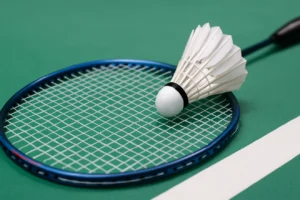
Do I Need to Restring My Badminton Racket?
Restringing your racket is essential for maintaining optimal performance, but how often should you do it? The answer depends largely on how frequently you play and your playing style:
- Casual players: If you play once a week or less, restringing every 6–12 months is usually sufficient, unless you notice loss of tension or visible wear.
- Regular/intermediate players: Those who play two to three times a week should consider restringing every 3–6 months.
- Competitive/advanced players: If you play or train several times a week, restringing every 1–2 months (or even more frequently) keeps your racket at peak performance.
Signs you need to restring include loss of power, a dull sound on contact, visible fraying, or strings moving out of place easily. Remember, strings lose tension over time – even if they don’t break – which can affect control and power.
Types of Badminton Strings
Not all strings are created equal. Understanding the main types will help you choose what best suits your style and needs:
- Power Strings: Designed for players who want more repulsion and speed on their shots, these strings are often thinner (0.65–0.68 mm) and provide a lively, bouncy feel. Ideal for attacking players and those seeking to add more punch to their smashes. Examples: Yonex BG66 Ultimax, Li-Ning No.1
- Control Strings: These offer a slightly rougher texture or special coating to increase shuttle grip, helping with shot accuracy, slice, and net play. They tend to be slightly thicker (0.68–0.70 mm) for better feel. Best for players who emphasise placement and precision. Examples: Yonex BG80, Victor VBS-68 Control
- Durability Strings: Made for longevity, these strings are thicker (0.70 mm and above) and can withstand heavy use. While they may sacrifice some repulsion, they’re great for beginners who are still developing technique and for anyone who wants to avoid frequent restringing. Examples: Yonex BG65, Ashaway Rally 21
Choosing the right type comes down to your playing style, priorities (power, control, or durability), and budget.
Choosing String Tension
The tension of your strings affects both the feel and performance of your racket. Here’s what to consider:
- Player Ability:
- Beginners: Lower tension (18–21 lbs) offers a larger sweet spot and more forgiveness on off-centre hits. It’s easier on the arm and better for developing basic skills.
- Intermediate: Medium tension (21–24 lbs) provides a balance of power and control, helping you refine technique and consistency.
- Advanced: High tension (24–28 lbs or more) gives greater shuttle control and responsiveness, but requires good technique and strength to avoid injury.
Racket Specifications: Always check your racket’s recommended tension range (usually marked on the frame). Exceeding this can damage the racket or void warranties.
Durability vs. Performance: Higher tension gives better control but can reduce string lifespan and increase the risk of breakage. Lower tension is more durable and powerful but less precise.
Shuttlecock Type: Feather shuttles tend to work better with slightly higher tensions (they compress more on impact), while plastic shuttles are better matched with lower tensions to compensate for their heavier feel and less lively response.
String Longevity
How long your strings last depends on several factors: how often you play, your string type and tension, and how you care for your racket.
- Thin, high-performance strings (like those for power or control) will wear out faster, especially at high tension.
- Durable strings can last longer but may lose playability before actually breaking.
- Avoid leaving your racket in extreme temperatures (hot cars, cold garages) as this can degrade strings faster.
- Wipe down your strings after play, especially if you sweat a lot or play outdoors.
As a rule of thumb, if you play regularly, restring as many times a year as you play per week (e.g., play twice a week, restring every six months). Replace strings if you notice fraying, loss of tension, or a flat, lifeless feel.
Shuttlecock Type Considerations
The type of shuttlecock you use affects both string choice and ideal tension:
- Feather Shuttles: Work better with higher tension (within your racket’s safe limit), as feather shuttles compress more and benefit from extra control. Be mindful that higher tension can mean shorter string life.
- Plastic Shuttles: Tend to feel heavier and less responsive, so a slightly lower tension (and perhaps a more durable string) helps generate more power and preserves playability.
If you switch between shuttle types regularly, consider a moderate tension (21–23 lbs) and a string that balances power and durability.
Additional Tips and Recommendations
- Don’t assume that higher tension always means better performance – match your tension to your ability, racket, and shuttlecock type.
- Changing string type or tension can take time to adjust, so make gradual changes if possible.
- Use a reputable stringer who understands your needs; poor stringing can damage your racket or compromise performance.
- Injury prevention: Avoid excessive tension, especially if you’re new to the game or have experienced arm or shoulder issues.
- Don’t wait for strings to break before restringing – loss of tension affects your game long before that happens.
Summary Recommendations:
- Beginners: Choose a durable string at low tension (18–21 lbs); focus on developing your skills and consistency.
- Intermediates: Experiment with control or power strings at medium tension (21–24 lbs) as your technique improves.
- Advanced Players: Select a string that matches your style (power or control) and use higher tension (24 lbs and above) for maximum responsiveness – but check your racket’s limits!
Conclusion
Choosing the right badminton string and tension isn’t just for professionals – every player can benefit from a tailored setup. Consider your playing frequency, style, and the shuttlecocks you use. Don’t be afraid to experiment but always stay within your racket’s recommendations. With the right choice, you’ll enjoy improved performance, greater comfort, and more fun on court. Happy playing!