
Perfect RacketBall Racket
Racketball Racket Buying Guide
As with any racket sport, when people start playing racketball, the first item most players purchase is a racket—and for good reason. Your racket is undoubtedly the most important item when it comes to how well you play, so it makes sense to prioritise getting a good one.
The problem is that many people don’t fully understand what they should be looking for in a racket and can end up purchasing one that doesn’t match their style based on name recognition alone.
Below, we break down everything you need to know about racketball rackets—from how different components affect performance to who each option suits best—so you can choose a racket that matches your style and ability and take your game to the next level.
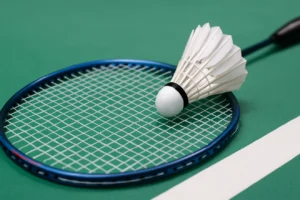
Types of racketball rackets
Head light
A head-light racketball racket is designed to give players maximum speed and manoeuvrability. This is ideal for beginners because it helps them adapt to the pace of the game, and it’s equally beneficial to players with less upper-body strength.
Even balance
Even-balanced racketball rackets offer a blend of speed, power and manoeuvrability. They can work well for players of all abilities and are a strong choice if you haven’t developed a particular style yet.
Head heavy
Head-heavy racketball rackets help you generate significant power with less effort, but they do so by sacrificing speed and manoeuvrability. They’re best suited to players whose games rely on power, people with high levels of upper-body strength, and advanced/professional players who can better anticipate where the ball will land.
Things to consider
- Frame weight:Frame weight influences speed, power and manoeuvrability—choose a weight profile that matches how you like to play.
- Swing speed:Your swing speed helps determine how much power you put through the ball. Pick a racket you can swing comfortably so you can accelerate consistently and generate enough power.
- Swing height:Heavier rackets can limit how high you can swing. If you rely on lobs, make sure your racket weight doesn’t restrict your ability to get the racket up in time.
- Grip size:Grip size should suit your hand size. A comfortable, secure grip improves control and helps you play at your best.
- String tension:Higher string tension generally produces more power. Choose a tension that supports the style of play you want.
Skill level: advised rackets
Beginner
For beginners, consider either the Head MX Fire or the Head MX Cyclone. Both are light and have larger heads, which can make it easier to adjust to the speed of the game. They’re also reasonably priced, so you can get started without overspending.
Intermediate
For intermediate players, the Head Radical Edge is a solid option. Its even balance supports a well-rounded style of play, and it sits in a mid-range price bracket—helpful if you want quality without paying top-end prices.
Advanced
For advanced players, the Dunlop Hyperfibre Ultimate is a strong choice. It’s well regarded for quality and performance, and the slightly heavier head can help maximise power. It costs more, but can be worth it if you compete at an elite level.
Your budget
Set a clear budget from the start. Racketball rackets can become expensive, and you don’t want to spend time analysing (or falling in love with) a racket that isn’t realistically within reach.
Racketball racket maintenance
- Strings:The primary maintenance task is keeping adequate string tension. Over time, tension drops, which can reduce power. If you notice a visible reduction in tension (or a clear change in feel), have the racket restrung. In some cases only a few strings need replacing; in others the whole head will need restringing.
- Grip:Grips wear out through use. Replacing a worn grip improves comfort and control (and avoids the racket slipping in your hand).
- General care:Keep your racket clean and dry when not in use to help extend its lifespan.